How Dental Crowns Southgate CA Can Restore Damaged Teeth

A damaged tooth rarely stays a small problem for long. What starts as a crack after biting down on ice, a large cavity around an old filling, or a tooth weakened after root canal treatment can slowly turn into pain, sensitivity, shifting bite pressure, and further breakage. In many of those cases, a dental crown is the restoration that gives the tooth a second life.
Patients often hear the word "crown" and imagine something extreme or cosmetic. In practice, crowns are one of the most practical tools in restorative dentistry. They protect what remains of a compromised tooth, rebuild strength, and let people chew comfortably again. When planned carefully and fitted well, they can restore both function and appearance in a way that feels surprisingly natural.
For people searching for Dental Crowns Southgate CA, the real question is not just what a crown is. It is whether a crown is the right solution for the kind of damage they have, what the process feels like, how long the result can last, and what trade-offs come with different materials and treatment choices. Those are the details that matter once you are sitting in the chair and deciding what to do with a tooth you want to save.
What a dental crown actually does
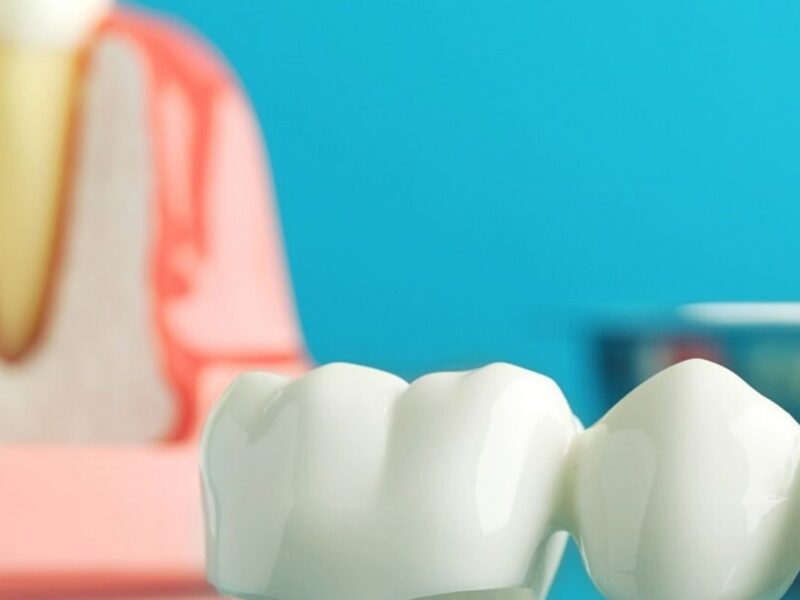
A dental crown is a custom-made cap that covers the visible part of a tooth above the gumline. It is designed to fit over a reshaped tooth structure and restore the tooth’s form, strength, and function. Unlike a filling, which replaces a portion of lost tooth structure, a crown surrounds and protects most or all of the external surface that takes chewing pressure.
That distinction matters. A filling works well when enough healthy tooth remains to support it. A crown becomes the better choice when the tooth is too compromised to safely carry normal bite forces on its own. This is common with teeth that have very large fillings, fractured cusps, deep decay, or structural loss after endodontic treatment.
Think about a back molar that has been filled two or three times over the years. Eventually, there may be more filling material than natural enamel left. The tooth may look serviceable on an X-ray and still be one hard bite away from splitting. In that scenario, placing another filling can be the cheaper short-term move, but not always the wiser one. A crown can wrap the tooth, distribute force more evenly, and reduce the risk of catastrophic fracture.
When a damaged tooth needs more than a filling
There is no single rule that fits every tooth. Dentists make these decisions by looking at the amount of remaining tooth structure, the location of the damage, the way the patient bites, whether there is grinding or clenching, and whether the nerve of the tooth is still healthy. Still, there are several patterns that commonly point toward a crown rather than a simple filling.
A crown is often recommended when a tooth has a crack that weakens one or more cusps. It is also common after root canal treatment, especially for molars and premolars, because those teeth carry significant bite force and can become more brittle over time. Large cavities that undermine the walls of the tooth are another frequent reason. Crowns are also used to replace badly worn enamel, improve the shape of misshapen teeth, and support a dental bridge.
One patient example comes up often in practice. Someone ignores intermittent sensitivity on a lower molar because it only hurts when chewing nuts or crusty bread. By the time they come in, one side of the tooth has fractured off around an old silver filling. If the fracture line is still above the gumline and the root is intact, that tooth may be saved with a crown. If the crack has gone too far below the gum or into the root, the options narrow quickly. Timing makes a real difference.
Why crowns are often the tooth-saving option
Many people hesitate when a crown is recommended because it sounds more involved than a filling. That reaction is understandable. A crown requires reshaping the tooth, impressions or digital scans, a temporary in most cases, and careful bite adjustment. Yet the larger restoration is sometimes the more conservative decision because it preserves the tooth itself.
When a weak tooth fractures beyond repair, the alternative may be extraction. Once a tooth is removed, the replacement discussion becomes more complex and more expensive. An implant, bridge, or removable prosthetic may restore the missing space, but none of those options are the same as keeping a healthy root in place. A crown often serves as the intervention that prevents that chain reaction.
Crowns can also help stabilize a bite. When a damaged tooth hurts, many patients unconsciously chew on the opposite side. Over time, that can trigger soreness, uneven wear, and tension in the jaw muscles. Restoring the tooth properly often improves more than the single problem area.
The materials matter, but fit matters more
Patients usually want to know which crown material is "best." The honest answer is that the best choice depends on the tooth, the bite, cosmetic priorities, and the amount of available space. A flawless fit and sound treatment plan are usually more important than chasing the most fashionable material.
Common crown materials include porcelain fused to metal, all-ceramic, zirconia, and, in some cases, gold alloys. Each has strengths and limitations. All-ceramic crowns can provide excellent esthetics, especially in visible areas, but they need appropriate support and thickness. Zirconia is known for high strength and has become very popular for posterior teeth. Porcelain fused to metal has a long track record and can work well in many cases, though some patients dislike the possibility of a darker margin over time. Gold remains one of the most durable materials for back teeth, even if few patients choose it for appearance reasons.
The right material also depends on habits. A patient who clenches heavily at night may not be the ideal candidate for a highly translucent, delicate ceramic in a load-bearing area. Someone with a very deep bite might need a material that tolerates force without requiring excessive tooth reduction. These are not cosmetic details. They shape the long-term outcome.
What happens during the crown process
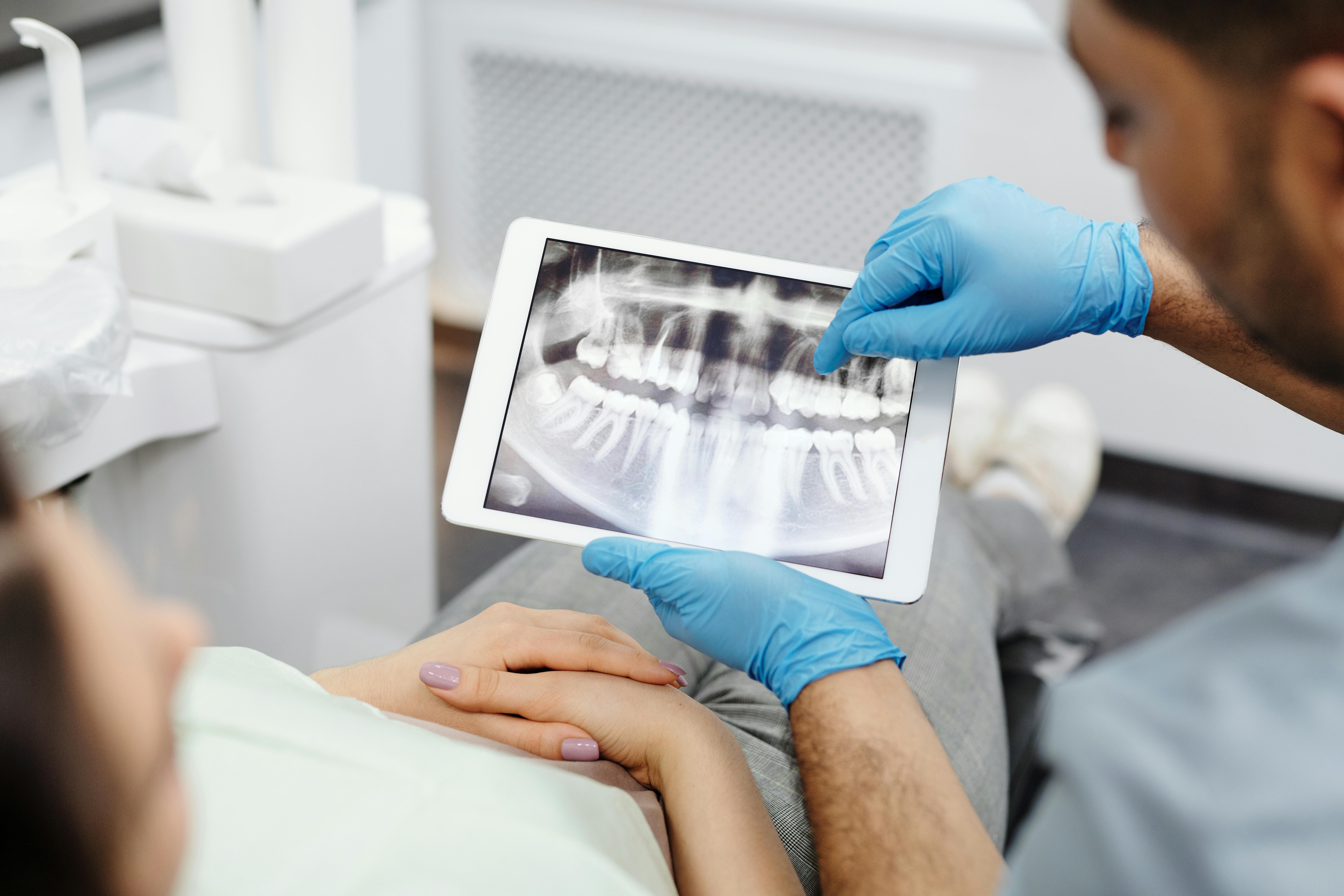
The process is usually straightforward, but it is more precise than many patients expect. The tooth has to be evaluated first to make sure it is restorable. That means checking for decay, cracks, gum health, root condition, and enough tooth structure to retain a crown. If the tooth is too broken down, it may need a build-up, and in some cases a post, before a crown can be placed.
Most traditional crowns involve two visits. At the first visit, the dentist numbs the area, removes decay or weak sections, reshapes the tooth, and takes an impression or digital scan. A temporary crown is then placed to protect the tooth while the final crown is made by a lab. At the second visit, the dentist removes the temporary, checks the final crown’s fit, bite, contour, and shade, then bonds or cements it in place.
Some offices offer same-day crowns with in-house milling technology. Those can be convenient, but they are not automatically the best choice for every case. Multi-unit work, complex bite relationships, and highly cosmetic front teeth sometimes benefit from the craftsmanship of a skilled laboratory. Convenience matters, but precision matters more.
Patients are often surprised by how much of the appointment is spent on details they cannot see. Tiny adjustments in the contact points between teeth and the way the crown meets opposing teeth can determine whether a restoration feels seamless or irritating. A crown that is even slightly too high can make chewing uncomfortable and strain the surrounding structures. Good dentistry lives in those small corrections.
What the tooth feels like afterward
A newly placed crown should eventually feel like part of your natural dentition, but there can be a short adjustment period. Mild sensitivity to temperature or pressure is not unusual for a few days or, in some cases, a couple of weeks, especially if the tooth was already irritated before treatment. The gums around the tooth can also feel tender after the preparation visit.
What is not normal is persistent pain that worsens, pain when biting that feels sharp or "high," or throbbing that keeps you up at night. Those symptoms can point to bite interference, lingering nerve inflammation, or, less commonly, a tooth that may still need root canal treatment. Patients sometimes assume they should just wait it out, but a simple bite adjustment can solve many of these issues if addressed early.
Temporary crowns deserve special mention. They are meant to get you through the waiting period, not to perform like the final restoration. They can feel slightly bulkier or rougher, and they are more likely to come loose. Sticky foods and very hard foods are best avoided while wearing one.
Crowns after root canal treatment
One of the most common restorative paths is root canal followed by crown placement. This recommendation is not automatic for every tooth, but it is especially common for back teeth. Once a tooth has had root canal therapy, it no longer simpledentalca.com Dental Crowns Southgate CA has the same internal vitality, and it may have already lost substantial structure from decay or previous restorations. That combination raises the risk of fracture.
A crown reinforces the treated tooth and lets it function again under normal chewing pressure. Skipping the crown after a root canal on a molar can be a costly mistake. Many patients feel great after the root canal and assume the problem is solved, only to return months later with a fractured tooth. By then, the original investment has not saved the tooth because the protective restoration was never completed.
Front teeth can be different. If a front tooth receives a root canal but retains most of its structure, a dentist may sometimes restore it conservatively with a bonded filling rather than a crown. Again, the treatment should fit the tooth, not a one-size rule.
Cosmetic benefits are real, but function comes first
Crowns can absolutely improve the look of a tooth. They can correct severe discoloration, restore broken edges, and reshape worn or irregular teeth. On front teeth, a well-made crown can blend beautifully with neighboring enamel when shade, translucency, and surface texture are handled with care.
Even so, cosmetic appearance should never outrun structural judgment. A crown that looks beautiful but traps food, overloads the bite, or irritates the gum tissue is not a successful restoration. The best cosmetic work in dentistry disappears into normal use. It does not draw attention, and it does not make the patient think about it every time they chew.
Patients considering Dental Crowns Southgate CA for visible teeth should expect a conversation about smile line, shade matching, neighboring teeth, and whether one crown will stand out against older restorations or natural enamel. Sometimes a single crown is enough. Sometimes broader planning is needed to avoid a mismatch.
How long crowns typically last
No honest dentist can promise that a crown will last forever. Crowns can last many years, often well Dental Crowns Southgate CA over a decade, but lifespan varies based on oral hygiene, diet, bite forces, grinding habits, and the health of the tooth underneath. A crown does not make a tooth invincible. Decay can still develop at the margins, gum disease can still affect support, and porcelain can chip under certain conditions.
In real-world practice, the crowns that fail early often do so for predictable reasons. Some patients bite fingernails or chew ice. Some have untreated nighttime grinding. Some struggle to keep the margins clean, especially if the crown is placed in a hard-to-floss area. Others delay treatment on a crown that feels loose until decay creeps beneath it.
A well-done crown on a healthy foundation tends to be a stable long-term restoration. A crown on a tooth with poor periodontal support, unresolved bite trauma, or minimal remaining tooth structure is a more guarded proposition. The restoration is only as strong as the biology and mechanics supporting it.
Situations where a crown may not be the answer
Crowns are versatile, but they are not the right answer for every damaged tooth. If the crack extends deep into the root, if there is insufficient tooth structure above the gumline, or if the tooth has severe mobility from bone loss, a crown may not offer a predictable result. In some of those cases, extraction and replacement may be the more realistic path.
There is also the matter of overtreatment. Not every large filling must be crowned immediately. Some teeth can be restored with onlays or bonded restorations that preserve more natural structure. A careful dentist weighs how much healthy tooth must be removed to place a crown and whether another option can provide enough strength without unnecessary reduction.
That judgment is one of the biggest differences between routine treatment planning and thoughtful restorative care. Patients should feel comfortable asking why a crown is being recommended, what alternatives exist, and what risk comes with choosing a less extensive restoration.
Signs you should not ignore
When people wait too long, the available choices usually become fewer and more expensive. These symptoms deserve prompt evaluation:
- Pain when biting or releasing pressure
- A visible crack or missing piece of tooth
- Sudden sensitivity around a large old filling
- Repeated food trapping in one area
- A tooth that had a root canal but was never permanently restored
Each of those signs can point to a tooth that is weakening structurally, even if the discomfort comes and goes. Intermittent symptoms often mislead people into thinking the problem is minor. Teeth do not usually heal structural fractures on their own.
What patients should ask before moving forward
A crown is not just a product, it is a treatment decision. The conversation before treatment can tell you a great deal about the quality of the plan. Useful questions include the following:
- Is the tooth definitely restorable, or is there a crack that could change the prognosis?
- What material do you recommend for this specific tooth, and why?
- Will the tooth need a build-up or root canal before the crown?
- How will you check the bite and contacts before final cementation?
- What habits or risks could shorten the life of this crown?
Those questions are not confrontational. They are practical. A dentist who welcomes them is usually thinking carefully about the same issues.
Caring for a crown so it lasts
Once a crown is placed, maintenance becomes the deciding factor. Brushing and flossing still matter because the crown meets natural tooth structure at its edge, and that junction can collect plaque. If decay starts there, the entire restoration may be compromised. Gum inflammation around a crown is also a common reason patients become unhappy with otherwise good work.
Night guards are worth discussing for patients who clench or grind. Many crown failures are mechanical rather than biological. A well-made guard can protect not just the crown, but the opposing teeth, jaw joints, and muscles. Diet matters too. Hard candies, popcorn kernels, and habitual ice chewing create exactly the kind of concentrated force that chips restorations and cracks natural teeth.
Regular recall visits matter for another reason. Dentists can often spot small issues, such as worn margins or tiny fractures, before they become emergencies. A crown rarely goes from perfect to failed overnight. There are usually warning signs.
The local value of individualized care
For patients exploring Dental Crowns Southgate CA, the most important factor is not finding a generic service, it is finding individualized evaluation and solid restorative judgment. Crowns are common, but they are not casual dentistry. The difference between a crown that feels natural for years and one that becomes a source of frustration often comes down to careful diagnosis, precise preparation, thoughtful material selection, and a willingness to fine-tune details.
Southgate patients, like patients anywhere, bring different needs to the chair. Some want the strongest option for a heavily used molar. Some are trying to save a front tooth after trauma. Some are balancing cost against longevity after years of patchwork dental work. The right approach respects those priorities without pretending every tooth should be treated the same way.
A crown can do something remarkable when used well. It can take a tooth that seems headed toward extraction and return it to comfortable, everyday service. You eat, speak, smile, and stop thinking about that tooth altogether. In restorative dentistry, that kind of quiet success is often the best outcome of all.
Simple Dental South Gate
Address: 8617 California Ave, South Gate, CA 90280
Phone number: +13236896118
FAQ About Dental Crowns Southgate CA
How much do crowns cost per tooth?
In the United States, a single dental crown typically costs between $800 and $2,500 per tooth without insurance. The ultimate out-of-pocket price depends heavily on the crown material, the location of the tooth, and whether you have dental insurance coverage.
What is the downside of crowns on teeth?
The primary downside of a dental crown is that the procedure permanently removes natural tooth enamel to shape the tooth for the cap.
Why do dentists push for crowns?
Dentists recommend crowns because a large filling cannot provide enough strength when a tooth loses a major portion of its structure or faces heavy chewing pressure.