Emergency Dentist Care for Infected Root Canals
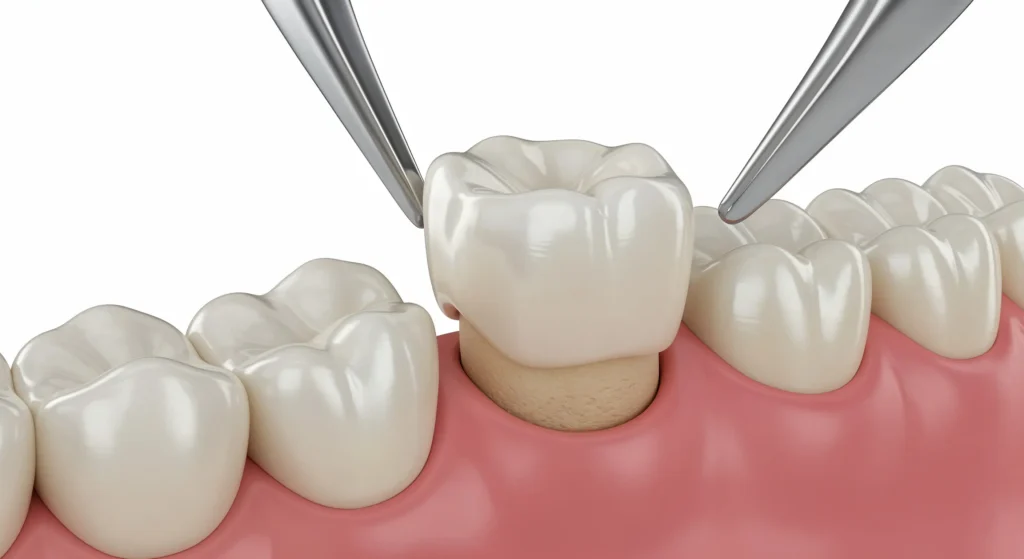
A root canal infection has a way of taking over a person’s day, then their night, then their better judgment. What begins as a deep ache can turn into throbbing pain, swelling, bad taste in the mouth, pressure when biting, and the growing suspicion that this is not something to “sleep off.” By the time many people search for an Emergency Dentist, they are no longer asking whether they should go. They want to know how quickly they can be seen, whether the tooth can be saved, and what will happen if they wait.
That urgency is justified. An infected root canal is not the same as a routine cavity or mild tooth sensitivity. The problem sits inside the tooth, in the pulp chamber and root canals where nerves, blood vessels, and connective tissue once kept the tooth alive. When bacteria gain access to that space, usually through deep decay, a crack, a leaky filling, or trauma, the infection can become intense and stubborn. The pressure inside the tooth builds. The surrounding bone and gum tissue may become inflamed. In more severe cases, the body starts trying to drain the infection by forming a pimple-like swelling on the gum, or the face begins to swell.
Emergency care matters here because the goal is not simply pain relief. It is also controlling the infection, preserving the tooth when possible, and lowering the risk of the problem spreading into surrounding tissues.
What an infected root canal actually means
Patients often use the phrase “infected root canal” to describe two slightly different situations. The first is a tooth that needs root canal treatment because the pulp inside is infected or dying. The second is a tooth that already had a root canal in the past, but has become reinfected. Both can be emergencies, and both can hurt quite a bit.
Inside each tooth are narrow canals that extend down through the roots. In a healthy tooth, those spaces contain soft tissue. Once bacteria enter and pulp tissue becomes inflamed or dies, the body cannot clear the infection from inside the sealed hard structure of the tooth on its own. Antibiotics alone usually do not solve the underlying problem because they do not remove dead tissue, bacteria, and debris from the canal system. The source has to be treated mechanically, either by root canal therapy, retreatment, or in some cases extraction.
One of the most frustrating features of these infections is that symptoms do not always match severity. A small abscess can produce dramatic pain. A large chronic infection may drain quietly for weeks and barely hurt at all. I have seen patients walk in after days of sleepless agony with only modest swelling, and I have seen others arrive with surprisingly little pain but clear facial swelling that needed immediate attention. The lesson is simple: pain level alone does not tell you whether the situation is minor.
Why people end up needing emergency treatment
Most root canal infections do not appear out of nowhere. They usually follow a sequence that was already developing, sometimes for months.
Deep decay is the most common trigger. A cavity grows inward until it reaches the pulp. At first there may be cold sensitivity, then lingering pain, then spontaneous aching. If treatment is delayed, Emergency Dentist bacteria move deeper and the pulp may die.
Cracks are another common cause, especially in heavily restored back teeth. A cracked molar can let bacteria seep into the pulp even if the tooth looks intact from the outside. Patients often describe pain on release after biting, or sharp, hard-to-locate discomfort when chewing.
Old dental work can also fail. Fillings wear down. Crowns can leak at the margins. A tooth that had a root canal years ago can develop a new cavity, a hidden crack, or incomplete sealing that leads to reinfection.
Trauma matters too. A blow to the mouth, even one that seemed minor at the time, can damage the pulp. Sometimes the tooth darkens slowly over time before pain starts. Other times symptoms flare suddenly months after the injury.
The common thread is bacterial access to the inner tooth structure. Once that happens, the tooth is no longer in a state where rinses, over the counter gels, or wishful thinking can fix it.
Signs that should not wait
There is a difference between needing prompt dental care and needing urgent attention the same day. With root canal infections, a few signs deserve faster action because they suggest the infection is active, spreading, or compromising normal function.
- Swelling of the face, jaw, or gums, especially if it is increasing
- Fever, chills, or a general sick feeling along with tooth pain
- Trouble swallowing, trouble opening the mouth, or changes in breathing
- A foul taste or pus draining near the painful tooth
- Severe throbbing pain that is not controlled by standard pain medicine
Any one of these can justify calling an Emergency Dentist immediately. Breathing difficulty, trouble swallowing, rapidly spreading swelling, or fever with facial swelling push the situation into urgent territory. In those cases, patients may need emergency dental care the same day, and occasionally hospital-based evaluation if swelling threatens the airway or extends into deep spaces of the face and neck.
What happens during an emergency dental visit
People often expect an emergency appointment to mean a quick look, a prescription, and a recommendation to return later. Sometimes that is how it starts, but for infected root canals, a thorough emergency exam usually goes further. A good emergency visit aims to answer four practical questions: Which tooth is responsible? Is the infection draining or trapped? Can the tooth be saved? What needs to happen today to stabilize the situation?
The appointment usually begins with history, and this matters more than many patients realize. A dentist wants to know when the pain started, whether it is spontaneous or triggered by biting or temperature, whether swelling comes and goes, whether the tooth had prior treatment, and whether there is any fever or medical condition that affects healing. A person with diabetes, immune suppression, recent surgery, or a history of serious infections may need a more cautious approach.
Examination follows. The tooth may be tapped, gently pressed, or tested for response to cold or electric pulp testing. The gums are checked for swelling, drainage, and periodontal pockets. Nearby teeth are evaluated too, because referred pain can be deceptive. More than once, a patient has pointed to an upper tooth when the actual problem was lower, or blamed the front tooth when the painful source was a cracked molar farther back.
Dental X-rays are central to the diagnosis. They can show deep decay approaching the pulp, dark areas near the root tip that suggest bone loss from infection, failing old root canal work, hidden decay under crowns, and changes in the surrounding structures. Not every infection shows fully on an X-ray right away, so dentists correlate the image with symptoms and exam findings.
From there, treatment depends on the stage of disease and the condition of the tooth. In many emergency visits, the most useful immediate step is opening the tooth to relieve pressure and begin cleaning the canal system. Patients often feel a noticeable reduction in pain once the internal pressure is released, though soreness afterward is still common. If the tooth already had a root canal, emergency management may involve accessing the old treatment to reduce infection, or planning retreatment by a general dentist or endodontist.
If the tooth is too broken down, has a severe vertical crack, or lacks enough structure to restore predictably, extraction may be the sounder option. That is not the answer anyone hopes for, but it can be the most honest one. Saving a tooth is worthwhile only if the result will be stable and functional.
The role of antibiotics, and their limits
A common expectation in emergency dental care is that antibiotics will “clear it up.” They can help in the right circumstances, but they are not a substitute for dental treatment. This distinction matters.
If there is localized pain in a tooth with no swelling, no fever, and no sign of spreading infection, antibiotics may add little benefit. The source remains locked inside the tooth. Pain often improves only when the canal is cleaned, the infection is drained, or the tooth is removed.
Antibiotics become more relevant when there is swelling, spreading infection, fever, enlarged lymph nodes, or a patient-specific medical risk that makes infection harder to control. Even then, they support definitive treatment rather than replace it. If a person takes antibiotics for a few days, feels better, and then cancels the root canal, the bacteria often return. The tooth has not healed, the symptoms have just temporarily softened.
This is one of the more predictable cycles in emergency dentistry. A patient gets a prescription elsewhere, the pain eases, the visit gets postponed, and two or three weeks later the swelling is back, often at a worse time. If the tooth needs root canal therapy, retreatment, or extraction, that need does not disappear because symptoms dipped for a while.
Can the tooth always be saved?
Not always, and one of the harder parts of emergency dental decision-making is judging salvageability under pressure. Many infected teeth can be saved with timely, well-executed root canal treatment followed by a solid final restoration, usually a crown on a back tooth. But there are real limits.
A tooth with extensive decay below the gumline may not have enough sound structure left to restore. A vertical root fracture often carries a poor prognosis. Severe bone loss, advanced periodontal disease, or repeated failed treatment can also change the equation. So can anatomy. Some molars have complex curved canals that make retreatment more difficult, especially if a prior root canal was incomplete or obstructed.
This is where experience matters. The best emergency dentists do not promise a rescue at all costs. They balance biology, restorability, bite forces, long-term function, and the patient’s priorities. Saving a front tooth in a healthy young adult often carries a different value proposition than spending heavily to retreat a cracked back tooth with questionable support.
The honest conversation is not just “Can this be done?” It is “What are the odds this will still be doing well in five years, and what will it take to get there?”
Root canal treatment versus extraction in an emergency
When a tooth is infected, treatment often narrows to two paths: preserve the tooth through root canal care, or remove it. There is no universal right answer, but there is usually a right answer for that specific tooth and patient.
Root canal treatment preserves the natural tooth, maintains chewing function, and avoids the immediate gap that extraction creates. When the tooth is restorable and the surrounding bone is healthy, this is often the preferred route. It does, however, require follow-through. The canal must be thoroughly treated, and the tooth usually needs definitive restoration soon afterward. A root canal on a molar that never receives a proper crown is at much higher risk of fracturing later.
Extraction removes the source quickly and may be the wiser option when prognosis is poor, finances are constrained, or the tooth has structural problems that make survival unlikely. Extraction also comes with decisions about replacement, whether by implant, bridge, or sometimes no replacement if the tooth is noncritical. Those choices have cost, timing, and anatomical implications.
One practical point patients appreciate hearing plainly is this: delaying the decision rarely improves the tooth. Infection tends to weaken the situation, not stabilize it.
Why a previously treated tooth can flare up again
Patients are often surprised when a tooth that had a root canal years ago becomes painful and infected. They understandably ask how that can happen if the nerve was already removed.
There are several reasons. Root canal systems are anatomically intricate. Tiny accessory canals and unusual curvatures can make full cleaning difficult. A tooth may have had an untreated canal missed in the original procedure. Coronal leakage is another issue. If a temporary filling remained too long, a crown margin failed, or decay developed under existing work, bacteria can re-enter the tooth. Fractures can also expose the roots and allow reinfection.
Retreatment can often address these problems, especially when the tooth is otherwise strong and restorable. In some cases, a surgical procedure called apicoectomy is considered if conventional retreatment is not enough or not feasible. In others, extraction is the more predictable route.
The key point is that prior root canal treatment lowers risk, but it does not grant lifetime immunity.
What pain feels like, and what it does not always tell you
People describe infected root canal pain in strikingly similar ways. Deep, pulsating, hard to localize, worse when lying down, sharp on biting, or strangely relieved by cold water for a short time. Night pain is common. Some patients say it feels like the tooth is too tall, as if it touches first when they close. That sensation often reflects inflammation around the root tip, where the ligament becomes tender under pressure.
Yet pain can also be misleading. Once the pulp dies completely, the hot and cold sensitivity may disappear, leading some people to think the tooth is improving. What has actually happened is nerve death inside the tooth. Meanwhile, infection can continue around the root.
That is one reason emergency dentists look beyond symptoms alone. A draining abscess with little pain can still represent a chronic destructive process. Conversely, a tooth in severe reversible inflammation may be exquisitely painful but still salvageable before the pulp fully dies.
What you can do before the appointment
Home care does not fix an infected root canal, but it can make the wait for care more manageable and reduce avoidable aggravation. Rinsing gently with warm salt water may soothe irritated tissues. Standard over the counter pain medicine can help if medically appropriate for you and used exactly as labeled. Keeping the head elevated often reduces throbbing, especially at night. Avoid chewing on the affected side, and stay away from very hot, very cold, or sugary triggers if they provoke pain.
Aspirin should not be placed directly on the gum or tooth. People still try this, and it can irritate or chemically burn soft tissue. Clove oil, numbing gels, and internet remedies can distract briefly, but none of them remove infection from inside the canal.
If swelling is increasing, you develop fever, or swallowing becomes difficult, the plan changes from “manage until tomorrow” to “get urgent professional help now.”
Aftercare once emergency treatment begins
Emergency treatment often brings relief quickly, but the area may remain tender for a few days. That does not necessarily mean something is wrong. Tissues around the root can stay inflamed even after the source pressure is reduced.
- Take medications exactly as prescribed, especially antibiotics if they were given
- Avoid chewing hard foods on the treated tooth until final restoration is complete
- Keep follow-up appointments, because emergency relief is usually not the final step
- Expect some soreness, but call if swelling worsens or fever develops
- Ask when the permanent filling or crown should be placed, and do not delay it
That last point deserves emphasis. An unfinished root canal case is vulnerable. Temporary materials are not meant to withstand months of chewing. Back teeth in particular need protection because they absorb heavy bite forces. A patient may feel “fine” and assume the crisis is over, only to crack the tooth later because the definitive crown never got done.
Cost, timing, and the real-world decisions patients make
Emergency dental decisions do not happen in a vacuum. People are balancing work schedules, childcare, travel, insurance limitations, and fear. Cost can shape the treatment path significantly.
Root canal therapy on a front tooth is generally more straightforward than on a molar, where extra canals and access challenges add complexity. Retreatment tends to cost more than first-time treatment. If a specialist is involved, fees may differ from those of a general dentist. Extraction can look cheaper at first, but if replacement is needed later, the long-term cost may exceed saving the tooth.
There is no shame in asking the office to explain the phases of care and likely fees. A clear office should be able to tell you what today’s emergency visit covers, whether additional treatment is expected, and what time-sensitive follow-up matters most. Patients do best when they understand not just the immediate bill, but the full sequence required to finish treatment properly.
Choosing the right Emergency Dentist for this problem
Not every dental emergency office handles endodontic problems with the same scope or philosophy. Some are equipped to diagnose and stabilize, then refer. Others can begin or complete root canal treatment that day. If you are calling with signs of an infected root canal, ask practical questions.
Ask whether the office treats dental abscesses and active root canal infections. Ask whether same-day X-rays are available, whether they can perform emergency pulpal treatment or root canal therapy, and what to do if swelling worsens after hours. If you already had a root canal on the tooth, mention that. Retreatment cases can require different planning and may benefit from referral to an endodontist depending on anatomy and complexity.
A capable Emergency Dentist will not just fit you into the schedule. They will triage urgency properly, explain what they see, and help you move from crisis control to definitive treatment.
The larger risk of waiting too long
Most dental infections stay localized for a time, but “localized” does not mean harmless. Bone around the root can resorb. The tooth can crack as structure weakens. Infection can spread into soft tissues. Sleep loss and constant pain take a toll on concentration, blood pressure, mood, and nutrition. Patients stop chewing normally, rely on one side, and sometimes arrive dehydrated because even drinking has become unpleasant.
There is also the simple matter of options. A tooth that might have been saveable with timely treatment can become nonrestorable after another month of breakdown or one ill-timed fracture. Emergency dentistry is often about preserving options before they disappear.
For that reason, infected root canals are one of the clearest examples of a dental problem that rewards fast action. The sooner the pressure is relieved, the source addressed, and the final plan set in motion, the better the chance of keeping treatment straightforward and the outcome durable. A painful infected tooth does not usually need courage as much as it needs a chair, an X-ray, a diagnosis, and decisive care.
Simple Dental South Gate
Address: 8617 California Ave, South Gate, CA 90280
Phone number: +13236896118
FAQ About Emergency Dentist Southgate CA
What can the ER do for a tooth?
The emergency room can provide temporary symptom relief for a bad tooth, such as prescribing pain medicine or antibiotics, but it cannot fix the actual dental problem.
What is the 3-3-3 rule for tooth infection?
The 3-3-3 rule for a toothache or infection typically means taking three 200 mg ibuprofen tablets (600 mg total) three times a day for no more than three days to control pain and swelling while waiting to see a dentist.
What do you do if you have a dental emergency but no dentist?
If you have a dental emergency and no regular dentist, you should search for an urgent care dental clinic, call local walk-in dental offices, or go to a hospital emergency room if you have severe bleeding, swelling, or trouble breathing.